Why Budtender Adoption Can Make or Break Your Dispensary Technology

A dispensary can roll out a great app, loyalty program, kiosk or payment option. But if the budtender at the counter can’t explain why a customer should use it, the technology may never get much traction.
Customers may hear about a new tool through email, social media or signage. In many cases, the decision to try it happens during a real interaction with a staff member.
A budtender might say:
“Your rewards are right in the app, so you can check them before your next visit.”
It’s quick, useful and connected to something the customer already cares about.
When staff understand the platform and feel comfortable talking about it, customers are more likely to give it a try. When the team is unsure, most shoppers will stick with the habits they already know.
What a Failed Dispensary Technology Rollout Looks Like
Picture a dispensary launching a branded app with mobile ordering, rewards and digital payments.
Marketing sends an email to customers. Then, signs go up near the registers. To prepare, staff watch a short demo before the app goes live.
During the first week, one shift mentions the app regularly. Another barely brings it up. Some budtenders can show customers where to find their points, while others call a manager every time a question comes up.
Customers may also hear different answers about payments or order pickup depending on who is working.
Downloads move slowly. Loyalty activity stays flat. Digital payments get little use.
Leadership may start wondering whether customers care about the platform at all. The technology may be useful, but the team never had enough time to learn it, test it and work it into the flow of the store.
Budtender Adoption Affects More Than App Downloads
Retail technology usually has a clear job to do.
A dispensary may want to bring customers back more often, make checkout easier, grow loyalty participation or give shoppers more ways to pay. Those goals depend on customers using the tools available to them.
Budtenders can help throughout the visit.
While a customer is browsing: A budtender can mention that the app shows live inventory or past purchases.
At checkout: Staff can point out an available reward or explain how a payment option works.
During order pickup: An employee can show the customer where the purchase will appear for easier reordering later.
These interactions don’t need to feel like a sales pitch. A helpful sentence at the right moment is often enough.
When staff avoid the technology, managers end up handling more basic questions. Customers may skip features that could make shopping easier, and the dispensary sees less value from the investment.
Why Connected Cannabis Retail Technology Is Easier to Learn
It’s hard for staff to explain a digital experience when that experience is spread across several platforms.
A customer may browse products through one system, earn rewards through another and pay somewhere else. Budtenders have to remember how each piece works and what to do when the systems don’t line up.
That gets harder during a busy shift.
A connected platform gives the team a simpler experience to learn and explain.
Mosaic brings branded apps, ecommerce, loyalty, payments and customer insights into one retail ecosystem. Staff have fewer workflows to keep track of, and customers can complete more of the shopping journey in one place.
Before choosing new dispensary technology, operators should ask a few practical questions:
- How many systems will staff need to open during a transaction?
- Can a budtender explain the customer experience in a sentence or two?
- Is there a clear place to send questions when something goes wrong?
- Will the process still feel manageable when the store is busy?
- How quickly can a new employee get comfortable using it?
A platform may look great in a demo. The real test comes when a customer has a question and there’s a line forming behind them.

How to Prepare Budtenders Before a Technology Launch
Budtenders know where the customer experience gets awkward.
They hear the same questions every day. They see where checkout slows down and which explanations take too long. They also know which parts of the process customers tend to misunderstand.
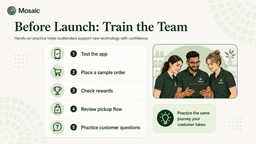
Invite a small group of employees to test the platform before launch. Ask them to go through it the same way a customer would.
Have them:
- Download the app
- Create an account
- Browse live inventory
- Find a reward
- Place a test order
- Walk through payment and pickup
Afterward, ask where they got stuck.
Their answers may uncover unclear instructions, clunky store processes or gaps in the training plan. Early testers can also help coworkers once the platform goes live.
At Launch: Teach the Customer Benefit Behind Each Feature
Once launch day arrives, training should focus less on every button and more on what each feature does for the customer.
Order history helps customers find a previous purchase again.
Loyalty visibility lets shoppers check points and rewards before checkout.
Live inventory helps customers see what is available before making the trip.
Mobile ordering gives shoppers a way to build an order when it works for them.
Digital payments add another option at checkout.
Training around these benefits gives staff language they can actually use.
“This will stay in your order history, so you can find it again next time.”
That explanation connects the technology to the purchase already happening. It gives the customer a real reason to use the app later.
Give Every Budtender Hands-On Technology Training
Watching someone demonstrate a platform only goes so far.
Staff should use the technology before they’re expected to answer questions about it. A short training session can follow the same steps a customer will take:
- Open the app.
- Search for a product.
- Use the filters.
- Find loyalty points or rewards.
- Add an item to the cart.
- Place a test order.
- Walk through payment and pickup.
Hands-on practice helps staff remember how the experience works. It also gives managers a chance to catch confusing steps before customers run into them.
By the end of training, every employee should be able to answer three basic questions:
What can the customer do with this tool?
How does it make shopping easier?
Who can help when something goes wrong?
Most customer questions will fall somewhere within those three areas.
Build Dispensary App Adoption Into Daily Store Routines
After training, the next step is making the technology feel like a natural part of the visit rather than an extra pitch.
Staff can mention the app when it connects naturally to what the customer is doing.
At check-in, an employee might point out that loyalty balances are available in the app.
During the sale, a budtender can show a customer how order history makes a previous product easier to find.
At pickup, staff can mention that the completed order will remain available for faster reordering.
The language should feel helpful and specific. Customers are more likely to listen when the feature solves a need they already have.
Managers can make these interactions easier with a one-page reference guide that includes common customer questions, short feature explanations, basic troubleshooting steps and a clear escalation process.
Staff should be able to find it quickly during a shift. A long training manual won’t be much help when someone is waiting at the counter.
How to Measure Dispensary Technology Adoption After Launch
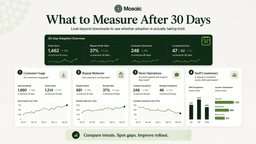
Download totals only show how many people installed the app. They don’t show whether customers continue using it or whether staff feel comfortable supporting it.
After the first 30 days, look at a wider set of signals.
Customer Usage
Review active users, digital orders, loyalty activity and payment adoption. A high number of downloads with low active use may mean customers aren’t finding enough value after the first visit.
Repeat Behavior
Track repeat orders, reorders and how often customers return through the same digital channel. These numbers show whether the technology is becoming part of their routine.
Store Operations
Pay attention to common customer questions and manager escalations. A large number of questions around one feature may point to unclear messaging or a difficult workflow.
Staff Consistency
Compare adoption across shifts and locations. One team may be talking about the app regularly while another rarely mentions it.
Those differences can help operators spot where staff need more support, clearer language or another round of training.
Make Budtenders Part of Your Dispensary Technology Strategy
Budtenders hear customer questions before most other people in the company. They see which features customers understand, which ones need more explanation and where the store experience starts to feel clunky.
Bring them into the process early.
Let staff test the platform before launch. Give them time to use it as a customer. Train around real benefits and keep asking what they’re hearing at the counter.
Technology may live on a screen, but customers often learn to trust it through the person standing in front of them.
Mosaic helps cannabis retailers connect ecommerce, branded apps, loyalty, payments and customer insights through one platform. Book a demo to see how a connected retail experience can support your customers and your team.


